
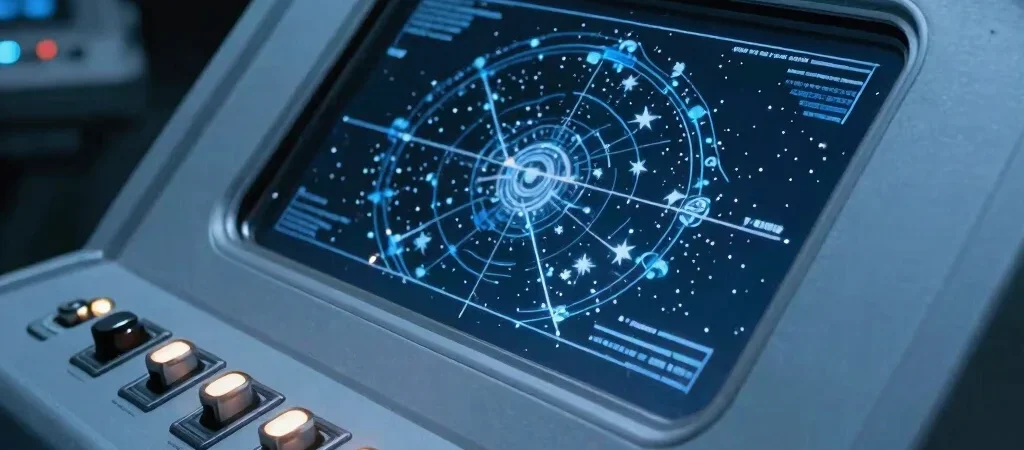
A science-fiction episode can introduce a device that changes travel, memory, or communication in a single striking scene. The image may catch the eye, but the story holds together when the device has limits and those limits matter to someone. Without that structure, each new reveal risks feeling like a reset button.
Limits create meaningful choices
A rule becomes dramatic when it closes one option and forces a character to choose another. If a signal cannot reach a ship through a particular region, a rescue attempt might depend on an imperfect relay or a risky detour. The exact technology can be imaginary; the consequences should still be legible.
Mystery needs a foothold
A show does not need to explain its whole universe in the first hour. It does need to give viewers a few stable details: what the crew understands, what remains unknown, and what an experiment could cost. With that foothold, a revelation can change the audience’s understanding rather than simply add another unexplained exception.
Track the cost of discovery
When a series introduces a new capability, watch what it asks characters to give up. A shortcut might strain trust, expose a location, or make a return journey impossible; those costs connect worldbuilding to character. For reviews and discussion, that is a more useful question than whether the technology looks plausible in isolation.